
Swiss watch brands
Who owns them? Where are they based? How has the Swiss watch business changed over time?
By David Towers, Editor · Updated November 2026
Switzerland exports half as many watches today as it did in 2000, yet it earns more than two and a half times as much from them. That change explains a great deal about the Swiss watch industry today.
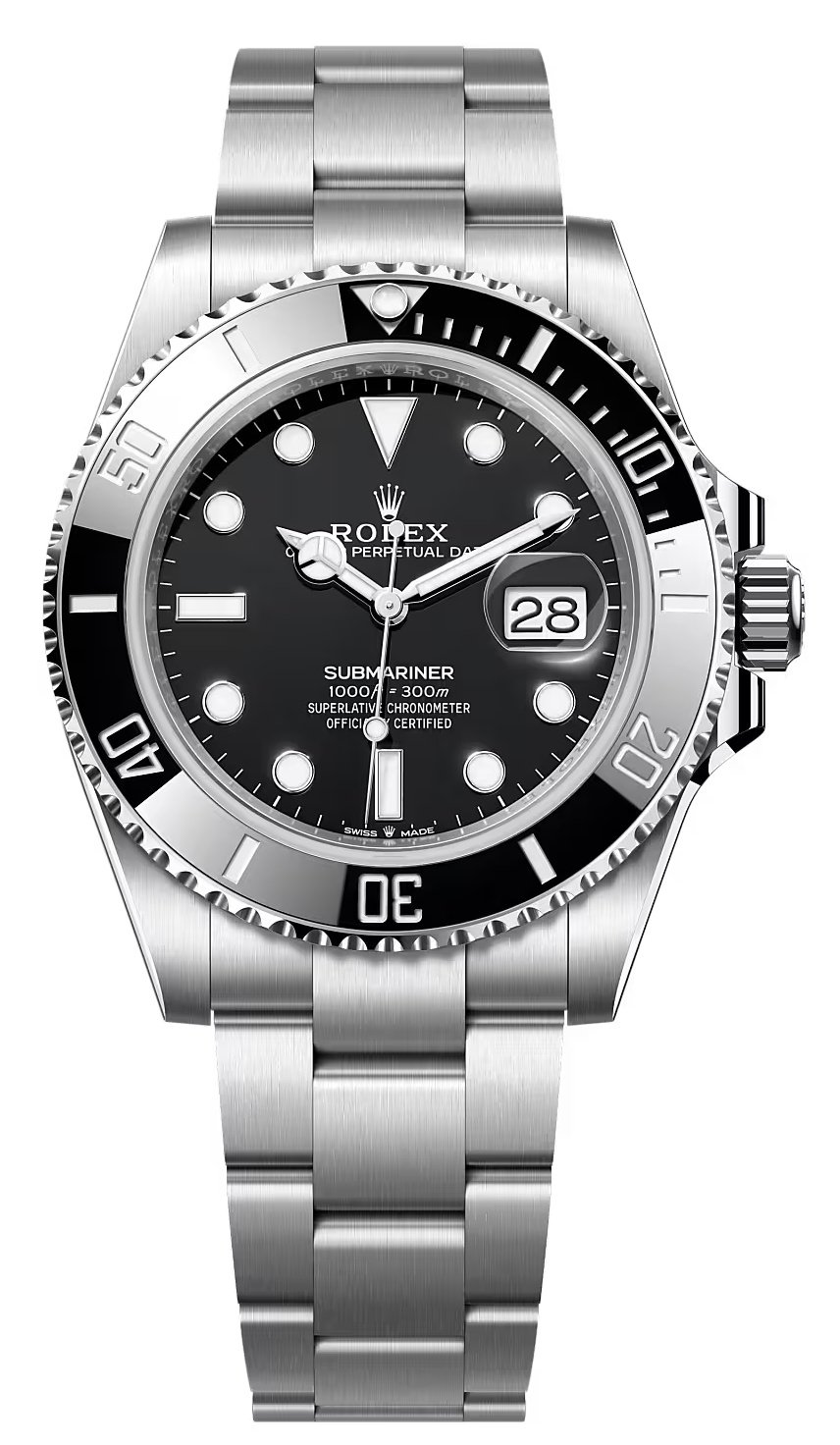
Cheap Swiss watches still sell in their millions, but they no longer drive the industry. Four fifths of export value now comes from watches with an export price above CHF 3,000, and a single brand, Rolex, accounts for close to a third of the sales of the 50 largest brands.
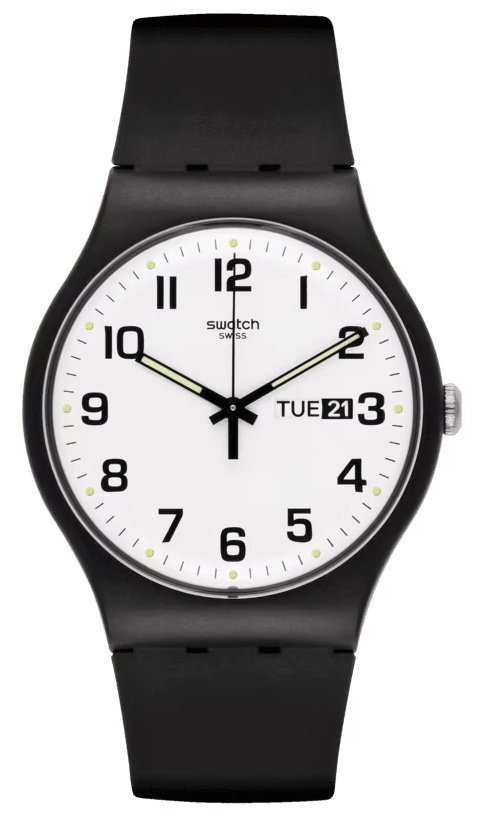
The industry has not always looked this strong. In 1970 it employed around 90,000 people. Cheap quartz watches and a series of economic crises followed, and by 1984 only just over 30,000 were left. Two things turned it around. Swatch, launched in 1983, kept large-scale production in Switzerland. And the mechanical watch, written off as obsolete, came back as a luxury item. The appetite for mechanical Swiss watches has lasted ever since.
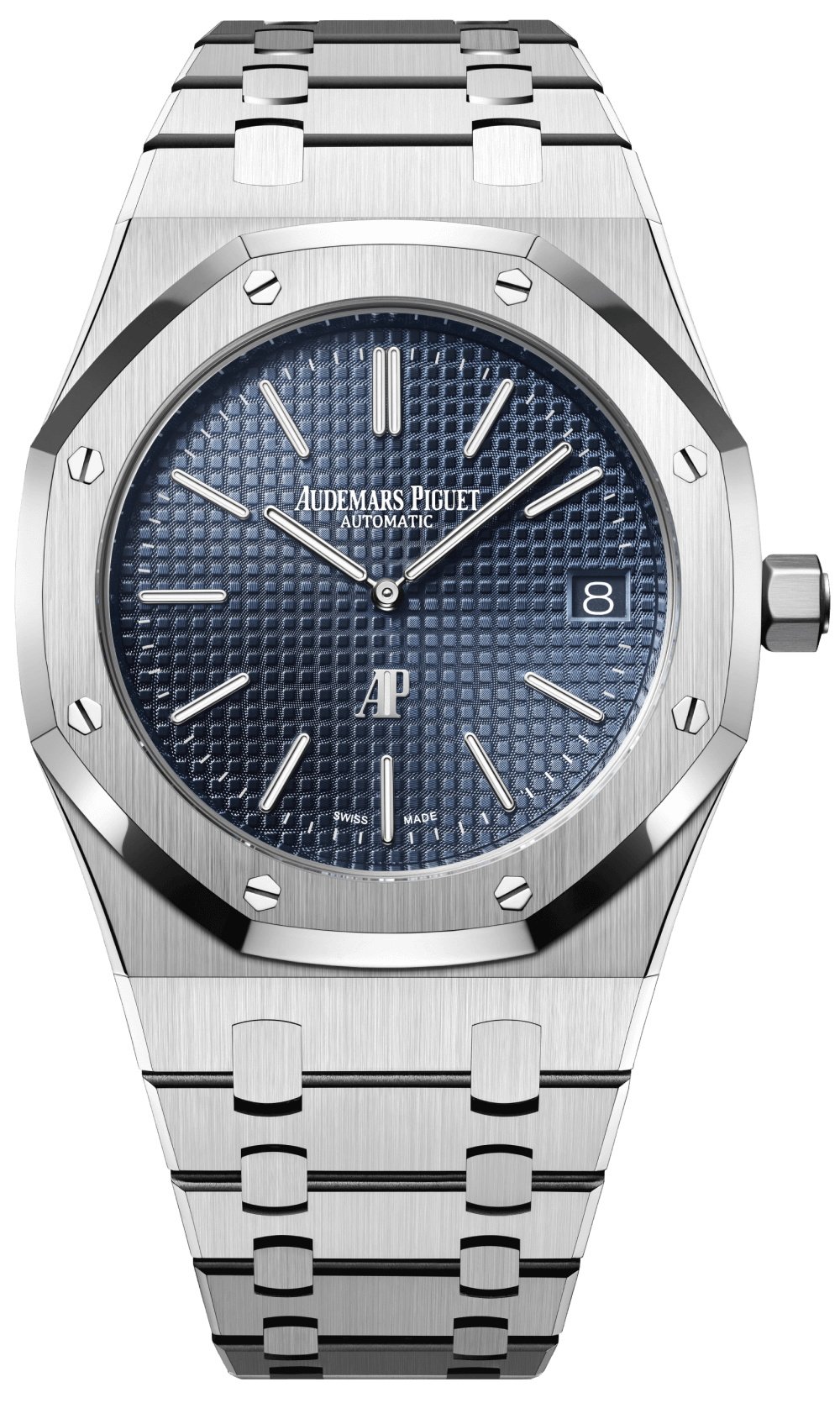
Today the industry is concentrated in a few hands. Three groups, the Swatch Group, Richemont and LVMH, own many of the best-known names. But some of the most famous brands belong to no group at all: Rolex is owned by a foundation, Patek Philippe by the Stern family, and Audemars Piguet by the families that founded it.
Alongside them is a long tail of independent brands, some of them small workshops with a single watchmaker's name on the door.
Ownership matters because it determines who a brand answers to. A listed group answers to outside shareholders, reports its results in public and usually works to shorter-term objectives. A family or a foundation can afford to plan much further ahead. A workshop built around its founder may not outlive its founder.
None of this is visible on the watch itself. This page sets it out: who owns each brand, where it is based and when it was founded. It sits alongside the Swiss Lions ranking of the top watch and jewellery brands, which scores the largest of them.
Swiss watchmaking in figures
Complete wristwatches, at export prices, which are well below shop prices. Years without a marker are not shown.
Source: Federation of the Swiss Watch Industry FH, export statistics, November 2026.
Source: Swiss Watch Industry Employers' Association (Convention patronale), annual census.
In 2000 Switzerland exported 29.7 million watches worth CHF 9.3 billion. In 2025 it exported 14.6 million, worth CHF 24.4 billion.
What is striking is that an industry making half as many watches now employs three quarters more people: 64,807 at the last count, compared with 37,334 in 2000. The most likely reason is that expensive mechanical watches take far more manual work than cheap quartz ones.
Exports peaked at CHF 25.5 billion in 2023 and have eased since. Jobs fell slightly in 2025, after three years of growth.
CHF 24.4bn
Watch exports in 2025
14.6m
Watches exported in 2025, down from 29.7m in 2000
64,807
Jobs in Swiss watchmaking, September 2025
Exports by price band
Almost all of the fall in volume has come at the lower end of the market. In 2000 Switzerland exported 22.8 million watches with an export price below CHF 200. In 2025 it exported 8.3 million. Watches above CHF 3,000 went the other way, from fewer than half a million to almost 1.9 million. They account for about one in eight of the watches exported, and four fifths of the value.
Price bands are export prices per watch, which are well below shop prices.
Source: Federation of the Swiss Watch Industry FH, exports by price category, November 2026.
The 50 largest brands by sales
Estimated 2025 sales of the 50 largest brands, from the Morgan Stanley and LuxeConsult report. Six brands account for two thirds of the total, and Rolex alone for close to a third. The other 44 share the remaining third, and each of the last ten sells less than CHF 70 million.
Estimates (e), except where a company reports its own figure. The report's list includes two German brands.
Source: Morgan Stanley and LuxeConsult, Swiss watch report, February 2026; Swiss Lions 2026 ranking data for the 20 ranked brands.
Old houses and new workshops
Each dot represents a watch brand. Nearly four in ten were founded before 1900, and more than a quarter have been founded since 2000. Use the buttons to group them by founding date, owner or canton.
Swiss watch brands A to Z
How to read this directory
Independent
Used only where the brand, the Federation of the Swiss Watch Industry or a primary source says so.
Ownership not published
The company is private and no reliable public source names its owners; this is not a judgement.
Made under licence
The brand name is used under licence by another company, which is not counted as its owner.
Registered office
The seat recorded in the Swiss commercial register, which can differ from the place where the watches are made.
Swiss Lions rank
The brand's place among the 20 watch and jewellery brands in the Swiss Lions 2026 ranking; brands outside the ranking are listed but not scored.
Houses run from abroad
Included where their watches are made in Switzerland.
Jewellers
Included only where watches are a named division.
Stake sizes
The size of an owner's stake is not shown.
Last checked
The month shown under the table is when the entries were last checked, and the list is reviewed with each edition and whenever a change of ownership is announced.
Corrections
Use the contact form, naming the brand and where the correct information is published.
Recent changes of ownership
Ownership of brands changes over time. The changes below have been announced or completed since January 2025, and each is confirmed by a company statement or by two dated press reports.
Questions about Swiss watch brands
Every entry is checked against company statements, the Swiss commercial register and the trade press. If something here is out of date, please tell us.
Related pages
Top 20 Swiss watch and jewellery brands 2026
The 20 leading Swiss watch and jewellery brands, scored on global scale and visibility, Swiss value and impact.
The four measures behind every score, and the published sources they draw on.