
Heritage
Swatch, the watch that saved an industry
How a plastic watch made from 51 parts helped Swiss watchmaking survive the quartz crisis.

By the late 1970s Swiss watchmaking was in crisis. Cheap quartz watches from Asia and a strong franc had priced Swiss mass-produced watches out of the market, and many firms closed. At ETA in Grenchen, the engineers Elmar Mock and Jacques Müller, backed by Ernst Thomke, head of Ebauches SA, developed a watch whose case was also its frame, made from just 51 components and assembled by machine.
Swatch, a contraction of second watch, was presented in Zurich on 1 March 1983 with a first collection of twelve models. It was affordable, colourful and Swiss made, and it turned the watch into a fashion accessory. By the early 1990s almost 100 million had been sold.
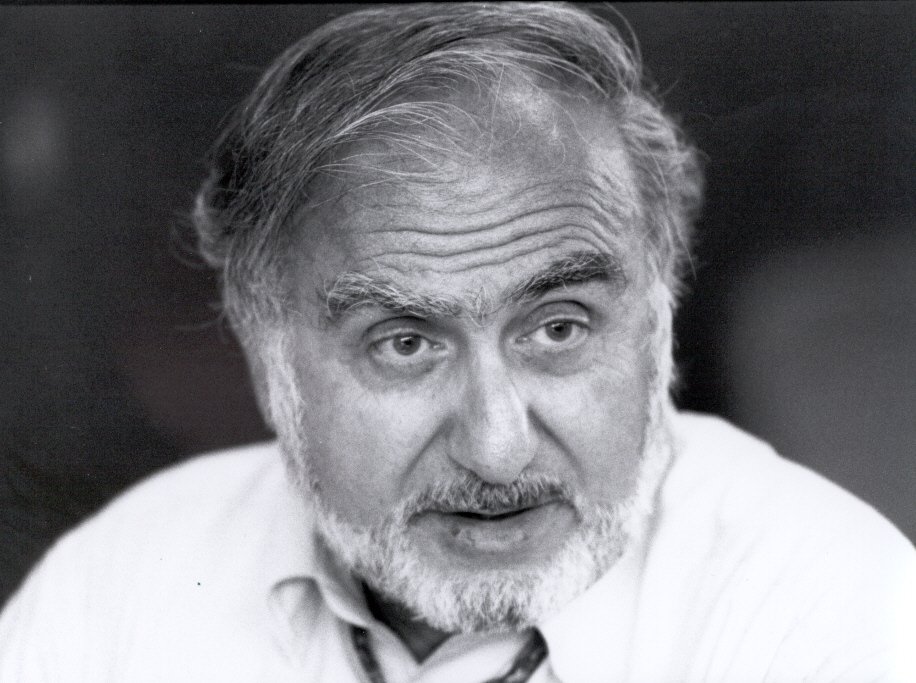
Swiss banks had asked the consultant Nicolas G. Hayek to plan the future of the country's two largest watch groups, ASUAG and SSIH. He proposed merging them. The merged group became SMH in 1985, with Hayek as chief executive, and was renamed the Swatch Group in 1998. Swatch's headquarters in Biel, designed by Shigeru Ban and opened in 2019, is one of the world's largest timber structures. In 2022 the MoonSwatch, made with Omega, became one of the most successful Swiss watch launches in decades.
Timeline
1979
ETA's first mass-produced quartz movement
1982
ETA registers the Swatch name
1983
The first twelve Swatches launched in Zurich
1985
ASUAG-SSIH becomes SMH, led by Nicolas G. Hayek
1990s
Almost 100 million Swatches sold
1998
SMH renamed the Swatch Group
2019
New headquarters in Biel by Shigeru Ban
2022
The MoonSwatch, with Omega
Swatch is No. 63 in the Swiss Lions 100.